In the first chapter of James, we find these words (emphasis added):
James 1:19-27: My dear brothers and sisters, take note of this: Everyone should be quick to listen, slow to speak and slow to become angry, 20 because human anger does not produce the righteousness that God desires. 21 Therefore, get rid of all moral filth and the evil that is so prevalent and humbly accept the word planted in you, which can save you.
22 Do not merely listen to the word, and so deceive yourselves. Do what it says. 23 Anyone who listens to the word but does not do what it says is like someone who looks at his face in a mirror 24 and, after looking at himself, goes away and immediately forgets what he looks like. 25 But whoever looks intently into the perfect law that gives freedom, and continues in it—not forgetting what they have heard, but doing it—they will be blessed in what they do.
26 Those who consider themselves religious and yet do not keep a tight rein on their tongues deceive themselves, and their religion is worthless. 27 Religion that God our Father accepts as pure and faultless is this: to look after orphans and widows in their distress and to keep oneself from being polluted by the world.
That phrase “be doers of the Word, and not hearers only” (verse 22) serves as the thesis statement of the entire book of James.
But take note: James warns us that how we interact with that “implanted word” is very important! We are warned to be a “doer” of the word, because people who only “hear” the word (mental knowledge of Christianity and acknowledgment of Christianity as true WITHOUT corresponding life change) are deceiving themselves.
What do we make of this passage? Is James preaching a “works-based” Gospel, as has often been suggested in ancient and modern scholarship?
I don’t think so. I think James is just reiterating a common theme of the New Testament: A soul that has truly been justified by faith in Christ is going to live a life that is marked by a continuing transformation by the Gospel.
We are saved by Jesus. And He takes His people from spiritual death to eternal life in the Kingdom of Heaven, ruled by King Jesus.
Hallelujah, amen. Now, what do we do from here? How do we live in this Kingdom into which we’ve been made citizens?
These articles are my own attempts to better understand Life in the Kingdom. I hope they are helpful to you; let’s together keep pressing in.
You can read more articles on Life in the Kingdom here!
“Do you love Me?” An Examination of Jesus’ Restoration of Peter in John 21
This is one of the many passages that loses much of its message in English. Let’s look at a few key phrases in the original Greek.

Judas and Peter: A Case Study on Repentance
Let’s look at the failure of both Judas and Peter, and see what we can learn.
What does God want from me?
“What should the interaction between the Divine and humanity look like?” Or, to put it more personally, “What does God want from me?”

Philippians 4: Paul Shows Us How to Functionally Center Ourselves on God
In the fourth chapter of the book of Philippians, Paul gives us some of the most famous and memorable verses in the Bible. Beyond just being one of Paul’s “greatest hits”, there is some tremendously practical and approachable wisdom being given. Let’s look at a few things that stand out in Philippians 4:4-13. Philippians 4:4-13:…
Psalm 113: The Greatness and the Goodness of God
The God of the Bible is both great (holy, transcendent, powerful) and good (full of mercy, kindness, and compassion.) Any view of God that doesn’t hold both of these attributes simultaneously is going to misunderstand Who He is.
What Is (and Isn’t) Repentance?
Repentance is a matter of the present tense. Real repentance has to do with how you are currently responding to your current conviction. You can really repent, and still struggle.
Pride, Shame, and Humility, and How to Grow as a Christian
The way we grow in humility is to look at Jesus. To keep our eyes on Jesus, the author and perfecter of our faith. This is the best path to all Christian growth.
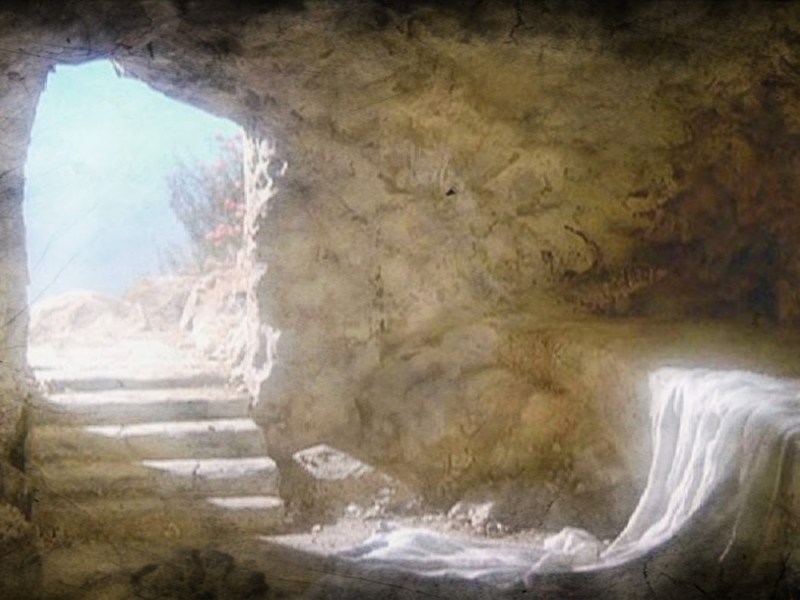
Why the Resurrection of Jesus was Unprecedented in the Bible
What does it mean that Jesus was the “firstborn from the dead”?

“What If” vs. “Even If”: A Practical Path to Peace
In Christ, God has promised that all things will be redeemed for His people. He WILL overcome the world, and its brokenness.
“Godliness with Contentment” Lesson and Reflection
What does it mean for a Christian to be godly? What does it mean for a Christian to be content? How do those concepts intersect? And what do you do with that?

To What Standard Should We Work and Live?
What are your thoughts about the phrase “Do your best”? Is that how God wants us to live?

Don’t Worry About What Others Think?
Our society can be quick to offer the advice, “Don’t care about what other people think.” Is that advice the Bible would agree with?
A Brief Testimony on Striving
My best is an unsustainable standard. I can’t live at “my best”. And my best, or trying my hardest, won’t guarantee success, even when I do that.
At the core of Christianity is the reality that our best CANNOT be sufficient.

Two Common Questions About Missions
There are two BIG questions that people tend to want answered before they become missionaries: 1) Is God “calling” me? And 2) What would I do? Question 1: Is God “calling” me? Or, What do you do when you feel a “call of God”? Or, What does it mean to “be called”? Many Christians seem…

On Joy and Hope
A friend recently confessed to me, somewhat downcast, that he felt he didn’t experience joy well. To him, joy was supposed to be this bright and high emotion, and he felt a bit embarrassed that wasn’t really an apt description of his own emotions. I appreciated my friend’s honesty, and I think his problem, not…
 TR Hartley